Imagine this—you’re a small business owner. You deliver the goods. The cheque arrives. You deposit it with relief. Then, two days later, your phone buzzes: “Cheque returned due to insufficient funds.” Instant stress. Delayed salaries. Broken trust.
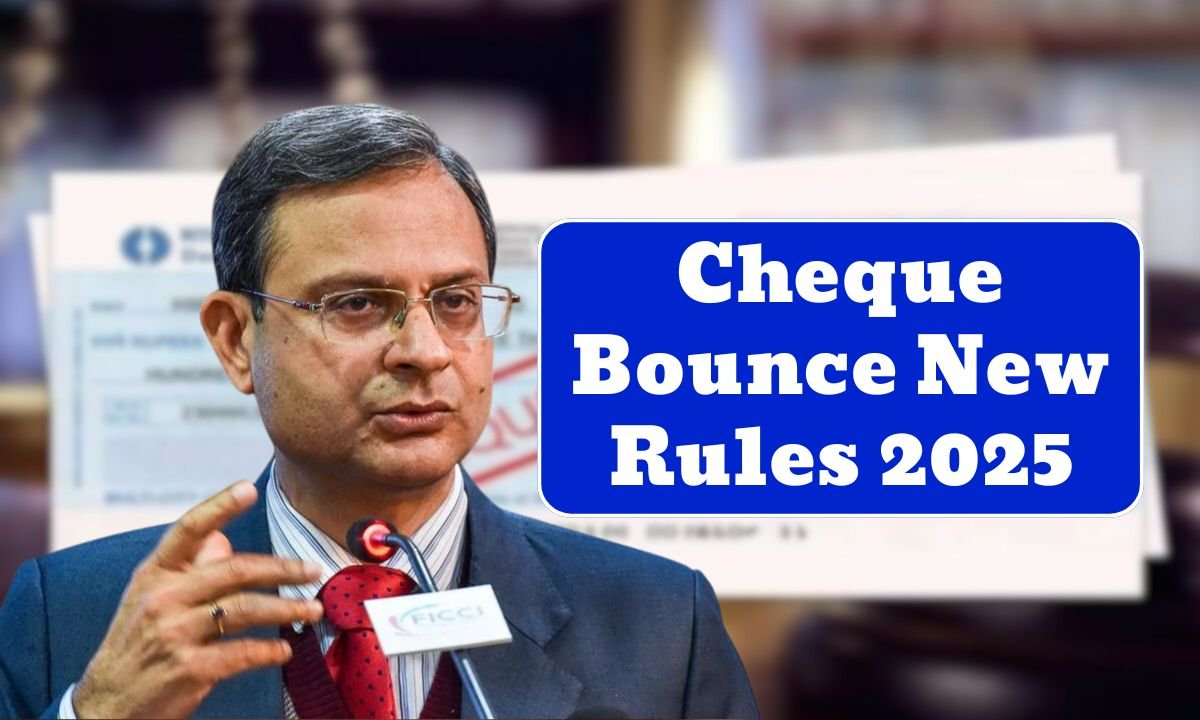
Now here’s the big shift. From April 1, 2025, India’s cheque bounce rules became much tougher—and much faster. The government updated the Negotiable Instruments Act to deal with over 20 million cheque bounce cases filed every year. The aim is simple: stop misuse, speed up justice, and protect honest people.
Why the Cheque Bounce New Rules 2025 Were Needed
Here’s the thing. For years, cheque bounce cases dragged on for 1–2 years in courts. Many victims gave up halfway because the legal route felt exhausting and expensive.
At the same time, repeat defaulters kept treating cheque bounce as “low-risk.” That mindset is exactly what the 2025 changes target.
The new system focuses on three goals:
- Faster resolution
- Stronger punishment for intentional fraud
- Better banking oversight using real-time alerts and digital tools
Early estimates suggest these changes could cut cheque bounce cases by nearly 30%. That’s huge.
Tougher Penalties: What Offenders Now Face
This is where the rules get serious.
Under the Cheque Bounce New Rules 2025:
- Maximum jail term is now 2 years (earlier 1 year)
- Fine can go up to double the cheque amount (earlier equal to the cheque value)
- Three cheque bounces from the same account can trigger a temporary account freeze
- Repeated offenders can be flagged for enhanced banking scrutiny
However, the law still protects genuine mistakes. If a cheque bounces due to:
- Signature mismatch
- Technical errors
- Clerical mistakes
The issuer can issue a fresh cheque without criminal intent being presumed—as long as it’s resolved quickly.
Faster Online Complaint Filing (No Endless Court Runs)
Earlier, filing a cheque bounce case meant paperwork, court visits, and long waiting periods. That’s changing fast.

What’s New in 2025?
- Online complaint filing within 30 days of receiving the bank’s bounce memo
- Digital verification as per Supreme Court guidelines
- If the offender doesn’t respond within 15 days of notice, fast-track hearing begins
- Maximum resolution timeline: 90 days in many cases
This shift alone will massively reduce backlogs and save time for both businesses and individuals.
New Responsibilities for Banks in 2025
Banks are no longer silent spectators. Under the new rules, they play an active role.
Banks must now:
- Send SMS and email alerts within 24 hours of a bounce
- Clearly mention the exact reason for the bounce
- Issue standardized return memos within 30 days
- Report chronic defaulters to credit bureaus
- Support faster clearing through 24/7 NACH systems
This means cheque bounces no longer stay hidden. Your credit score can now reflect habitual defaults, which affects future loans and banking privileges.
Old vs New Cheque Bounce Rules (Quick Comparison)
- Jail term:
- Earlier: Up to 1 year
- Now: Up to 2 years
- Maximum fine:
- Earlier: Equal to cheque amount
- Now: Double the cheque amount
- Bank alerts:
- Earlier: Not mandatory
- Now: SMS/email within 24 hours
- Case duration:
- Earlier: 1–2 years
- Now: Targeted within 90 days
- Repeated offences:
- Earlier: No direct action
- Now: Account freeze after 3 bounces
Why Small Businesses Benefit the Most
If you run a shop, supply materials, provide services, or manage vendor payments, you already know how damaging a bounced cheque can be.
Under the Cheque Bounce New Rules 2025, small businesses gain:
- Faster cash flow certainty
- Lower legal expenses
- Greater negotiating strength
- Psychological deterrence against willful defaulters
It restores trust. And in business, trust is often more valuable than legal protection.
Smart Tips to Avoid Cheque Bounce Trouble in 2025
Whether you issue cheques or receive them, a little caution goes a long way:
- Always keep buffer balance before issuing cheques
- Double-check name, date, amount, and signature
- Reconcile your bank account at least once a month
- If a cheque bounces, act within 24–48 hours
- Consider shifting routine payments to UPI, NEFT, or RTGS
- If legal action looks likely, consult a lawyer early
These steps sound basic—but they prevent 90% of cheque bounce disasters.
Does This Mean Cheques Are Becoming Risky in 2025?
Not really. In fact, the opposite.

The Cheque Bounce New Rules 2025 make cheques safer for honest users and riskier for fraudsters. That’s exactly how it should be.
While digital payments are booming, cheques still dominate:
- Rural trade
- Wholesale markets
- High-value B2B transactions
- Government and institutional payments
These rules ensure cheques remain usable without becoming a legal nightmare.
Final Word
The Cheque Bounce New Rules 2025 signal a clear message:
“If you misuse cheques, expect real consequences. If you’re honest, the system now has your back.”
With faster complaints, tougher penalties, proactive banks, and strict timelines, India finally has a cheque bounce framework that matches modern financial realities.
If you deal with cheques even occasionally, this isn’t optional knowledge anymore. It’s protection.
Frequently Asked Questions
1. What is the punishment for cheque bounce under new rules in 2025?
Under the Cheque Bounce New Rules 2025, intentional cheque bounce can lead to up to 2 years of imprisonment and a fine up to double the cheque amount. Repeat offenders may also face temporary account freezes, making the penalties far more serious than before.
2. How long does it take to resolve a cheque bounce case in 2025?
With online filing and fast-track courts, many cases are now expected to be resolved within 90 days, provided all notices and verifications are properly completed. This is a major improvement over the earlier 1–2 year timelines.
3. Will a cheque bounce affect my credit score now?
Yes. Under the new rules, banks can report repeated cheque bounce incidents to credit bureaus, which can negatively impact your credit score, affecting future loans, credit cards, and banking privileges.
