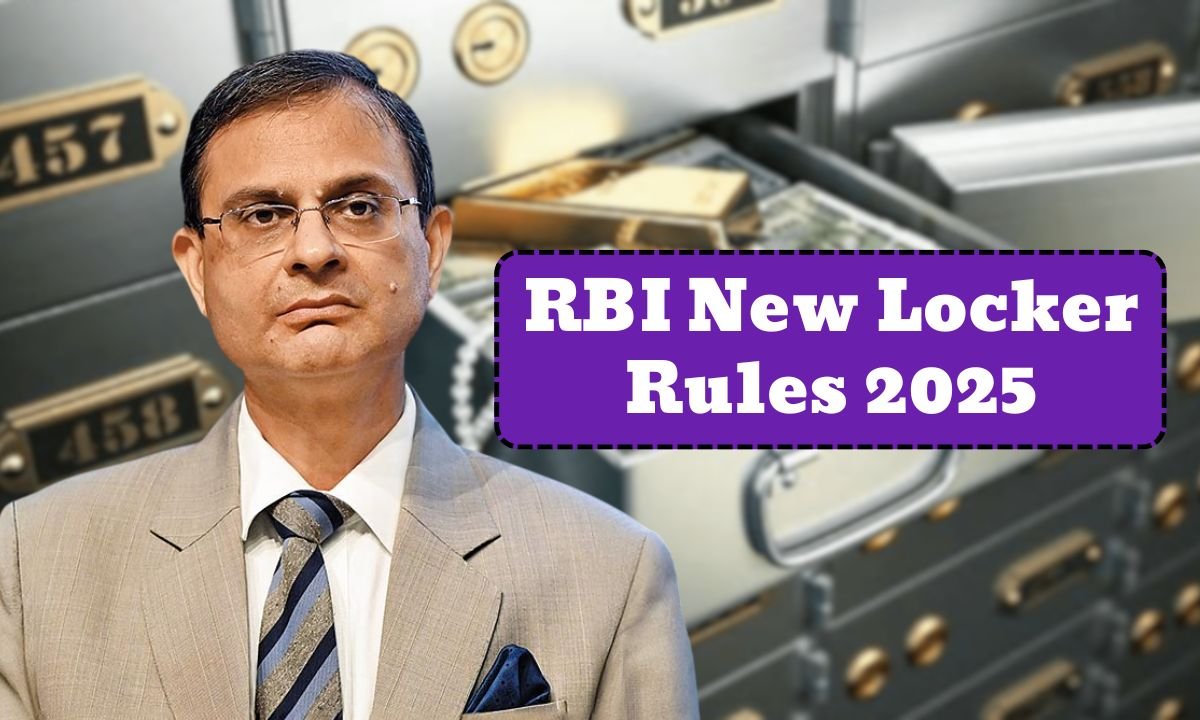
The Reserve Bank of India (RBI) rolled out a major update to the bank locker rules in 2025, strengthening customer protection and placing greater responsibility on banks for the safety of locker contents. These revised norms, effective from November 1, 2025, build upon the earlier 2023 reforms and aim to eliminate the long-standing “customer-at-own-risk” clause.
With over 1 crore locker holders across India, these changes directly impact how valuables like jewelry, property documents, and securities are stored and protected. At a time when theft cases, fire incidents, and legal disputes over lockers have been rising, the 2025 rules mark a decisive shift toward bank accountability, transparency, and faster grievance redressal.
Why the New Locker Rules Matter More Than Ever
For years, customers faced huge challenges when locker contents were lost due to theft, floods, fire, or bank negligence. In most cases, banks disclaimed responsibility, pushing customers into lengthy court battles.
The 2025 RBI guidelines officially end that imbalance. Banks are now held financially responsible for losses caused by negligence, making locker services far more reliable. This is especially important for:
- Senior citizens
- NRIs
- Families storing inheritance documents
- Urban households in cities like Delhi, Mumbai, Bengaluru, and Chennai
With inflation hovering near 6%, safeguarding high-value assets has become more critical than ever. These reforms also encourage people to rely on banks instead of unsafe home storage.
Major Security Upgrades Made Mandatory for Banks
Under the new rules, all public and private sector banks offering locker facilities must implement advanced security systems, including:
- CCTV cameras inside locker rooms
- Minimum 180-day video footage retention
- Biometric or OTP-based locker access
- Real-time monitoring of locker operations
Additionally, banks must carry out a physical inventory check at the time of locker allotment and surrender. Photographic records (with customer consent) help eliminate future disputes over missing items.
These measures, fully enforced by mid-2025, make modern lockers as secure as high-grade digital vaults.
Nomination Rules and Fast Access for Legal Heirs
One of the most customer-friendly updates in the RBI Locker Rules 2025 relates to nominations:

- Nomination remains optional, but banks must offer it clearly
- Customers can now appoint up to four successive nominees
- In the event of death, nominees get access within 15 days of submitting valid documents
- No court order is required if nomination is registered
This change drastically reduces family stress, inheritance delays, and legal complications—especially in high-value urban estates.
Mandatory Locker Agreement Renewal by December 31, 2025
Every locker holder must sign a new RBI-approved locker agreement before December 31, 2025. This revised agreement is:
- Limited to just two pages
- Clearly defines bank liability
- Mentions compensation rules
- Includes nomination and access conditions
- Digitally stamped in most banks for faster completion
Failure to submit the revised agreement may lead to temporary suspension or even cancellation of the locker. Most banks are now allowing customers to complete this process via mobile apps or branch visits.
Compensation Rules: How Much Will Banks Pay for Loss?
The 2025 guidelines introduce a clear compensation structure:
- If locker contents are lost due to bank negligence, the bank must compensate up to:
- 100 times the annual locker rent
For example:
- Annual rent: ₹3,000
- Maximum compensation: ₹3,00,000
This applies in cases of:
- Theft
- Fire
- Flood
- Building collapse
- Unauthorized access
Customers are still advised to maintain separate insurance for high-value jewelry, as bank liability is capped.
What You Cannot Store Inside Bank Lockers
To prevent misuse and insurance complications, RBI strictly prohibits storing:

- Large amounts of cash (generally above ₹5,000–₹10,000)
- Illegal drugs or narcotics
- Weapons or ammunition
- Explosives or hazardous chemicals
Allowed items include:
- Jewelry and precious metals
- Property documents
- Fixed deposit receipts
- Bonds, wills, and legal papers
Violating these rules can result in locker termination without compensation.
Summary of Key RBI Locker Rule Changes 2025
| Feature | Old Rule | New 2025 Rule |
|---|---|---|
| Bank Liability | Customer’s risk | Full bank accountability |
| Security | Manual locks | Biometric + CCTV mandatory |
| Nomination | Single, slow process | 4 nominees, 15-day access |
| Compensation | Limited or none | Up to 100× annual rent |
| Agreement | No common deadline | Mandatory by Dec 31, 2025 |
Tips for Locker Holders in 2025
To fully benefit from the new RBI framework:
- Complete your locker agreement update immediately
- Add or update your nominee details
- Maintain an annual inventory of locker items
- Take separate jewelry insurance
- Prefer branches with biometric locker systems
These steps ensure maximum legal and financial protection under the new rules.
Final Word: RBI’s Push Toward Safer Asset Storage
The New RBI Locker Rules 2025 signal a powerful shift toward customer-first banking. By enforcing strict security standards, eliminating one-sided liability clauses, and speeding up nominee access, the RBI has created one of the strongest locker protection frameworks in India’s banking history.
With deadlines approaching, customers should act quickly to update agreements and nominations. In an uncertain economic climate, these reforms offer peace of mind that your valuables are finally protected by law—not just trust.
