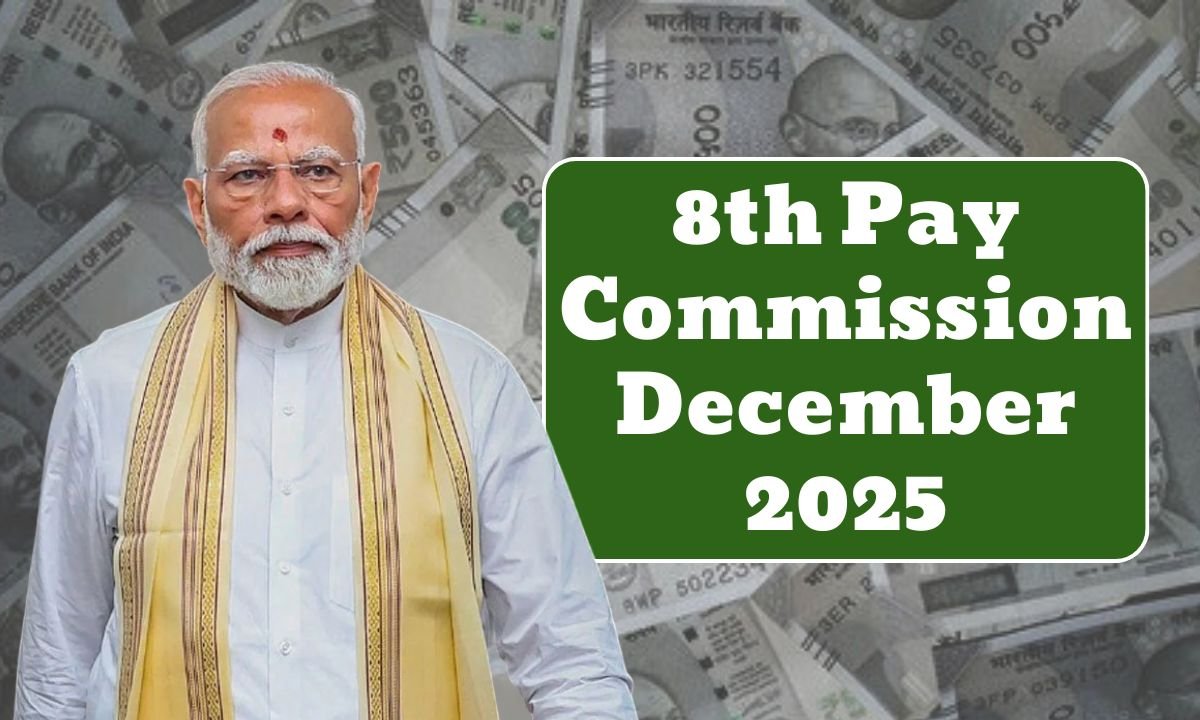
The proposed implementation of the 8th Pay Commission has increased in prominence this December, as multitudes of central government employees and retirees wait for clarity on the subject. The Terms of Reference (ToR) have already been agreed upon following approval by the Union Cabinet, but discussions continue over whether there will be any raise in salaries, the merger of Dearness Allowance (DA), and pension sanctions.
Formation of the 8th Pay Commission
Following a standard 10-year cycle, which began after the implementation of the 7th CPC in 2016, the government announced the setting up of the 8th Pay Commission in January 2025. The commission has been expected to submit its recommendations after 18 months, thereby allowing enough time for the changes to be effective from January 1, 2026.
Key Concerns Raised by Employees
Employee unions have been critical of the ToR given these points, arguing that no specific implementation date in it will lead to gross inflation adjustments. By stating how steadily rising retail inflation has rendered the regular increase in DA irrelevant, many are demanding the amalgamation of the DA with basic factors.
Pensioners’ Expectations
Pensioners are in a restive state of mind, waiting to know if their pensions are expected to increase before January 2026. Earlier, in December, a written question was replied in Parliament by Finance Minister Nirmala Sitharaman with respect to urgent relief for pensioners.

8th Pay Commission December 2025 Overview
| Aspect | Current Status (Dec 2025) | Expected Outcome (2026) |
|---|---|---|
| Terms of Reference (ToR) | Approved by Union Cabinet | Recommendations within 18 months |
| Implementation Date | Not yet notified | Likely from Jan 1, 2026 |
| Salary Hike | Under review | Fitment factor revision expected |
| DA Merger | Strong demand from employees | Possible merger with basic pay |
| Pension Revision | Pending clarity | Likely included in final report |
Impact on Employees and Pensioners
The merger of DA with pay would bring forth huge growths in pay and pension benefits. This will also not improve the income on a monthly basis, but also augment the retirement benefits. But employees and pensioners are in a quandary to ascertain or predict the extent of the proposed pay hike till the submission of the final recommendation.
Government’s Position
The government also believes that the commission it appoints will try to balance its fiscal responsibilities with employee welfare. The upward pressure on inflation and employee demands puts in a rough spot for leadership to deliver some tangible relief.
Conclusion
The 8th Pay Commission update in December 2025 shows the progress but also pinpoints some unsolved issues. With the terms of reference approved and the ongoing discussion, the working class-pensioners will continue to wait for another year, which will be 2026 for the implementation finale.

Also read: EPFO New Rules 2025: Minimum Pension May Rise to ₹3,000 With DA, Check Details
