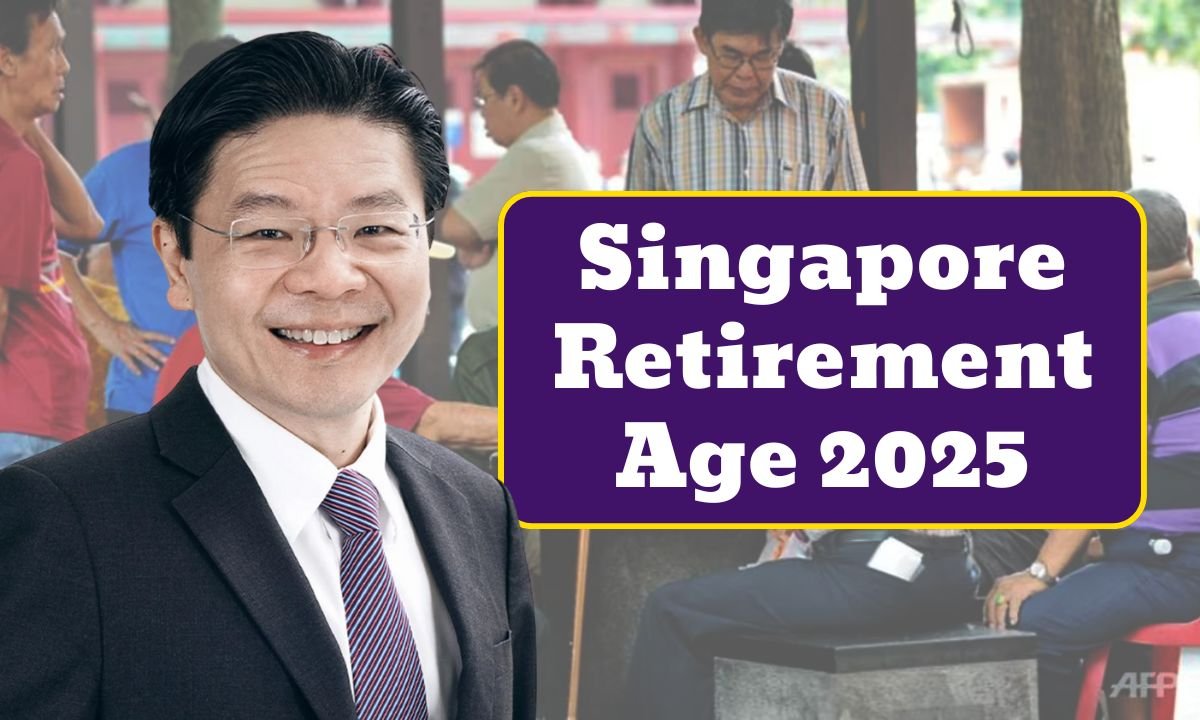
If you’re in your early 60s right now, this one hits close to home. From July 1, 2025, Singapore’s statutory retirement age officially moves from 63 to 64. One extra year of work. One extra year of CPF contributions. One extra year to build security before stepping into retirement.
At first glance, it sounds like a small shift. Just one year, right? But here’s the thing—that single year can mean tens of thousands of extra dollars, stronger medical coverage, and a smoother transition into your later years. For many workers, this is not just a policy update. It’s a quiet but powerful financial reset.
Why Singapore Is Raising the Retirement Age
Singapore isn’t alone in doing this. Countries around the world are pushing retirement age higher—and for a very real reason.
Life expectancy here is now over 83 years. At the same time, fewer young adults are entering the workforce. That creates a serious imbalance: fewer workers supporting more retirees.
So instead of shrinking the workforce, Singapore is:
- Keeping experienced workers active
- Reducing long-term dependence on social support
- Boosting CPF savings for seniors
- Protecting productivity without sudden economic shocks
By 2030, the retirement age will reach 65. The 2025 increase to 64 is part of a slow, steady transition—so workers and employers aren’t thrown off balance overnight.
Who Is Directly Affected by the Singapore Retirement Age 2025?
This update applies to:
- Employees born on or after July 1, 1962
- Workers who are still in active employment when the rule kicks in
If you fall into this group, your:
- Statutory retirement age becomes 64
- Re-employment age extends to 69
That means your employer is legally required to:
- Offer re-employment, or
- Provide structured job assistance if re-employment isn’t possible
And yes—there are penalties for companies that ignore this, with fines that can go up to S$10,000 per violation.
What You Actually Gain by Working One Extra Year
This is where the real value shows up.
Higher CPF Savings
One more year of employment means:

- Extra employee and employer CPF contributions
- Higher balances in Special and Retirement Accounts
- Stronger monthly payouts when CPF LIFE begins
Experts estimate that affected workers could see an average CPF balance increase of around 15% over time.
Extended Job Protection
You’re not just “allowed” to work longer—you’re legally protected to do so. That stability matters in an economy where age discrimination still exists.
Better Healthcare Support
Older employees in public-sector-related roles benefit from:
- Higher medical and dental subsidies
- Better long-term outpatient coverage
At a stage of life where health costs rise fastest, that support is not optional—it’s critical.
What Employers Are Now Required to Do
This change isn’t just for workers. Businesses must evolve too.
Employers are now expected to:
- Redesign workspaces with ergonomic support
- Eliminate age bias in hiring and job design
- Provide training and reskilling for mature workers
The government is also offering:
- Grants and incentives for age-inclusive hiring
- Support for redesigning senior-friendly roles
Smart employers already see this as a win. Hiring a 60+ worker often means:
- Lower turnover
- Deep experience
- Strong discipline
- Zero “job-hopping” headaches
The Trade-Off: Benefits vs Real Challenges
Let’s be honest. Not everything is rosy.
Benefits
- Stronger retirement savings
- Reduced financial anxiety
- Continued social interaction
- Better mental health through routine and purpose
Challenges
- Physical fatigue for some workers
- Lingering workplace ageism
- Pressure on those who hoped to retire earlier
This is why upskilling matters more than ever. Many seniors are now shifting into:
- Consulting roles
- Part-time advisory jobs
- Training positions
- Flexible remote work
And that shift is exactly what Singapore wants to encourage.

How to Prepare If You’re Near Retirement
If this policy affects you (or will soon), here’s what I’d recommend doing now:
- Check your CPF balance using the CPF app
- Review your CPF LIFE projections
- Use SkillsFuture credits to upskill
- Discuss future work plans with your employer early
- Talk openly with your family about retirement timelines
Waiting till 64 to “figure things out” is risky. Planning early turns this rule change into an opportunity.
What This Change Says About Singapore’s Future
Raising the retirement age to 64 in 2025 isn’t about forcing people to work forever. It’s about choice.
You can:
- Work longer if you’re healthy
- Retire later with stronger savings
- Or transition gradually with flexible roles
This is how Singapore is trying to balance longevity with dignity. Longer lives should mean better lives—not years of financial stress.
Frequently Asked Questions
1. Does everyone have to work until 64 now?
No. The Singapore retirement age 2025 sets the legal protection at 64, but you can still choose to retire earlier based on personal savings. However, employers are now required to offer continued employment up to this age.
2. Will my CPF contributions increase after age 63?
Yes. CPF contribution rates for workers over 55 have been gradually rising. This means you and your employer will contribute more each month, leading to higher CPF LIFE payouts later.
3. What happens if my employer refuses to re-employ me?
Employers must offer re-employment up to age 69 or provide job assistance. If they fail to comply without valid reasons, they face regulatory penalties and fines of up to S$10,000.
